Most of India gets its rain from June to September, but Pondicherry and the Tamil Nadu coast are different. Here the main rainy season is the northeast monsoon, roughly October to December, which brings close to half of the region’s annual rainfall in three months. It also brings the cyclone season on the Bay of Bengal.
Riding a scooter in this season is perfectly possible – many locals do it every day – but it needs a different approach. This guide covers what the monsoon is like on two wheels, how to handle wet and flooded roads, and when to leave the scooter parked.
In this guide
- What the monsoon is like here
- Where water collects
- Riding through standing water
- Braking and grip on wet roads
- Visibility: see and be seen
- Cyclone warnings: when not to ride
- What to carry in the monsoon
- Look after the scooter
- Monsoon days can still be good days
- Renting in the rainy season
- Frequently asked questions
What the monsoon is like here
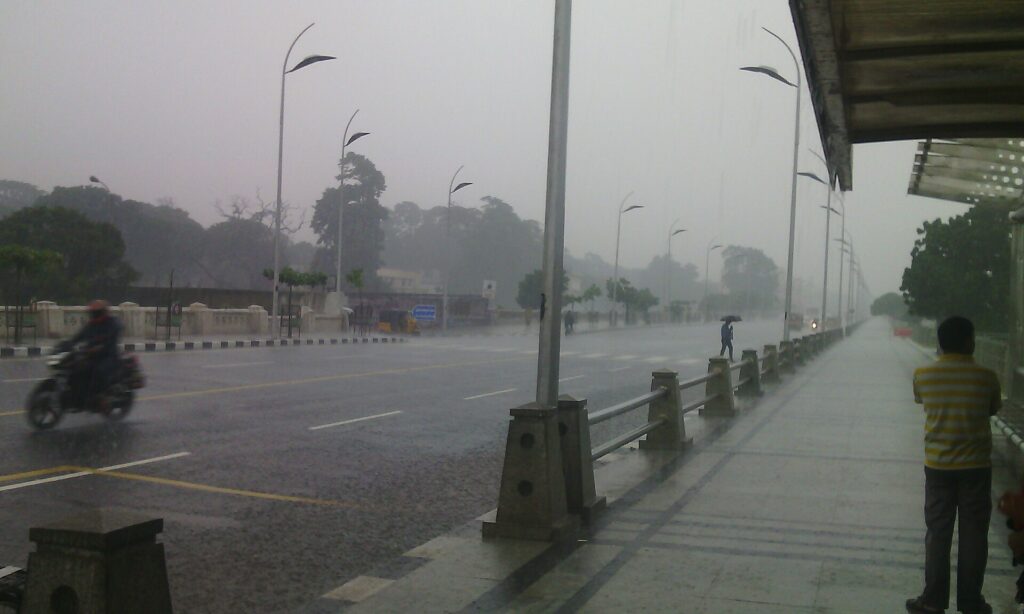
The northeast monsoon does not mean rain all day, every day. Typically there are stretches of sunshine and cloud broken by heavy showers, often in the afternoon, evening or overnight, and occasional spells of several days of continuous rain when a depression or cyclone moves in from the Bay of Bengal.
Those systems can be intense. When Cyclone Fengal crossed the coast near Puducherry on 30 November 2024, the India Meteorological Department recorded about 46 cm of rain at Puducherry in roughly 24 hours – the town’s heaviest in decades – and large parts of town and the surrounding villages were flooded for days. Events like that are not every-year occurrences, but they show why you should take weather warnings seriously.
The start and end of the season vary from year to year. Our best time to visit Pondicherry guide explains how the months compare.
Where water collects
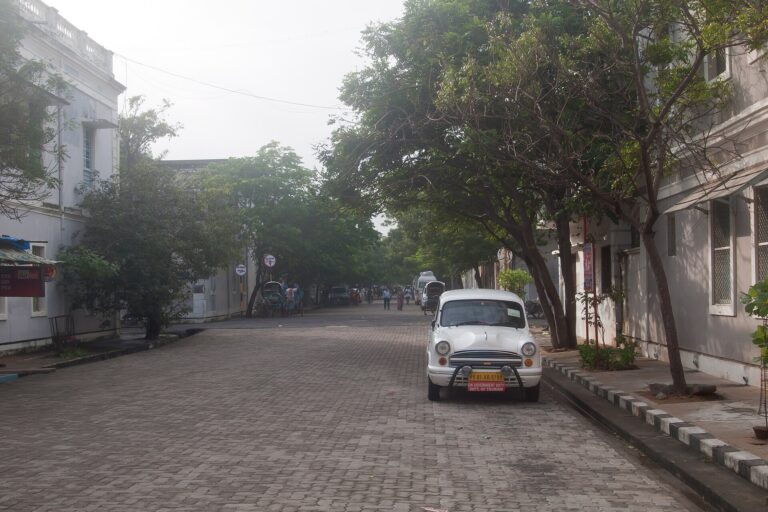
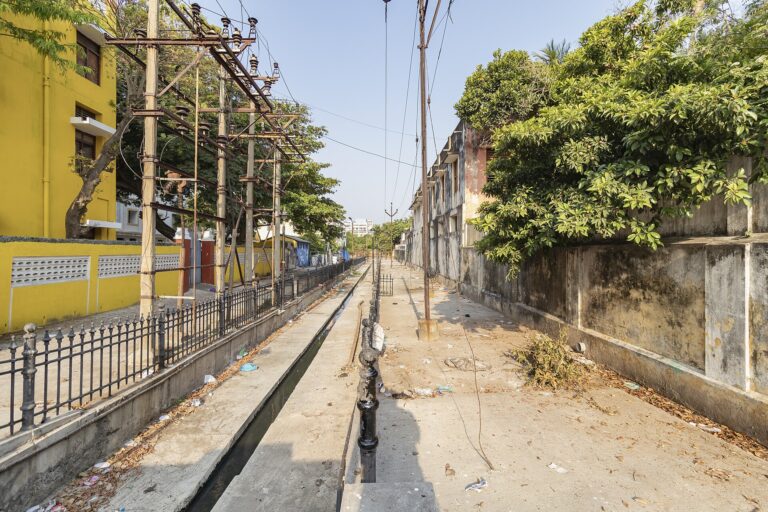
Pondicherry is flat and close to sea level, so heavy rain drains slowly. After a big downpour, expect standing water in low-lying residential areas, at underpasses and dips, near canals and drains, and along stretches of the main roads where drainage is poor. In White Town the main issue is usually water pooling at the edges of streets and at junctions rather than deep flooding.
Outside town, the red-earth and unpaved roads around Auroville turn to slippery mud, sandy lanes become soft, and puddles hide deep potholes. Village roads near lakes, tanks and the backwaters can go under water after prolonged rain. Conditions change from storm to storm, so ask locally – or message us – before heading somewhere unfamiliar.
Riding through standing water
The safest rule is simple: if you cannot see the road surface and do not know how deep the water is, do not ride through it. Turn round and find another route, or wait for the water to drain. Moving water is especially dangerous – even a shallow flow can push a light scooter sideways.
- Never ride into water deeper than the bottom of the scooter’s floorboard; water in the exhaust or air intake can stall the engine and damage it.
- If you must cross a shallow stretch, follow the line other vehicles have taken, keep a slow, steady throttle and do not stop in the middle.
- Stay in the centre of the road where the camber keeps water shallowest; the edges hide drains and open manholes.
- After riding through water, gently squeeze both brakes a few times to dry them before you need them.
Braking and grip on wet roads
The first rain after a dry spell is the most slippery, when oil and dust on the surface mix with water. Painted road markings, metal manhole covers, speed-breaker paint and the smooth tiles of some White Town streets are all slick when wet.
Ride slower than you would in the dry and double your following distance. Brake earlier and more gently, using both brakes together; most rental scooters have combined braking, but a smooth squeeze still matters. Avoid braking hard while leaning into a turn, and straighten up before you brake. Sudden throttle on mud or sand can make the rear wheel slide, so be gentle on the accelerator too.
Visibility: see and be seen
Heavy rain cuts visibility fast, both yours and other drivers’. A clear visor makes a big difference; an anti-fog wipe or a quick rub with a cloth before you leave helps. Ride with your headlight on, wear something light-coloured or reflective, and use your indicators early.
Avoid riding at night in the monsoon if you can. Many roads around Auroville and on the ECR are unlit, and potholes filled with water are invisible after dark.
Cyclone warnings: when not to ride
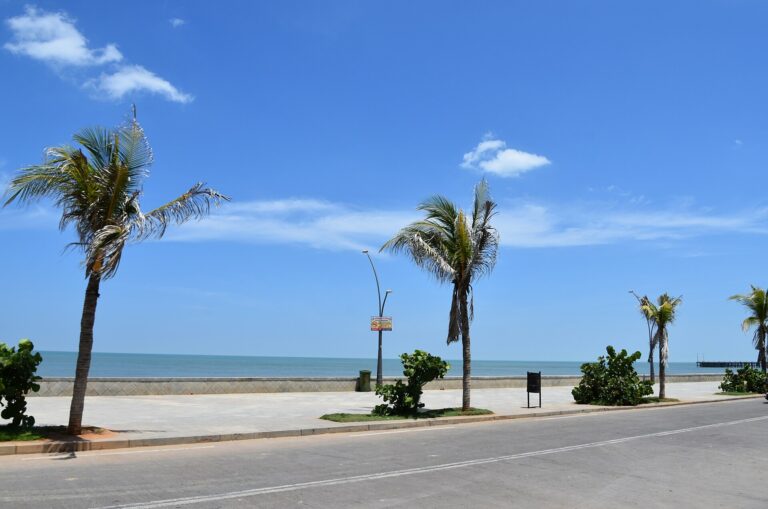
The India Meteorological Department issues cyclone and heavy-rain warnings, and the Puducherry and Tamil Nadu authorities follow up with local advisories. Before and during a cyclone, schools and offices often close, the beach and sea front are cordoned off and the police ask people to stay indoors. Do as they ask.
Do not ride when a cyclone is approaching, during very heavy rain or strong winds, or on the coast road when high waves are forecast. Fallen trees, broken branches and loose power lines are common after storms. Wait until roads have been cleared before heading out again.
What to carry in the monsoon
- A proper two-piece rain suit or a rain jacket – ponchos flap and catch the wind on a scooter
- A dry bag or plastic bags for your phone, wallet and documents
- A clear visor or clear glasses for riding in rain
- Sandals or quick-drying shoes rather than trainers that stay wet
- A small cloth to wipe the visor, mirrors and seat
- Phone with weather alerts on and offline maps
- A power bank, in case power cuts hit your accommodation
Look after the scooter
Park on higher ground, not in a dip or next to a drain where water collects overnight. Under-seat storage is not waterproof, so do not leave papers or electronics there. If the scooter will not start after heavy rain, do not keep cranking – contact us and we will advise. Mud and sand are part of monsoon riding, but avoid deliberately riding through deep water or onto the beach. See our rental terms for what is expected at return.
Monsoon days can still be good days
Between showers, the countryside around Auroville turns green, lakes and tanks fill, and the town is quieter than in peak season. Plan short rides, keep a flexible schedule and have an indoor fallback – cafés, museums, the Auroville Visitors Centre – for the wettest hours. Late in the season, the filling wetlands also bring the first migratory birds.
If the forecast looks bad or you would rather not ride in the rain, our taxi pickup and drop service is an easy alternative for station and airport transfers and sightseeing.
Renting in the rainy season
A scooter such as the Honda Activa or Suzuki Access 125 is the easiest choice for monsoon riding in town: low, light and simple to control at slow speed. We offer hourly, daily, weekly and monthly plans with a free helmet. See bike rental in Pondicherry or bike rental in Auroville, or send your dates on WhatsApp to +91 96265 65138.
Frequently asked questions
When is the monsoon in Pondicherry?
Pondicherry’s main rainy season is the northeast monsoon, roughly October to December. The exact onset and withdrawal vary each year, so check the IMD forecast before you travel.
Is it safe to ride a scooter in Pondicherry during the monsoon?
Yes, on most days, if you ride slowly, avoid flooded roads and do not ride at night or during cyclone warnings. Stay off the road completely when the authorities advise people to stay indoors.
Should I ride through flooded roads on a scooter?
No. If you cannot see the road surface or judge the depth, turn back. Water can hide potholes and open drains and can stall or damage the engine.
What should I wear riding in the rain in Pondicherry?
A two-piece rain suit or rain jacket, sandals or quick-drying shoes, and a helmet with a clear visor. Keep your phone and documents in a waterproof bag.
Need a bike, scooter or taxi?
Tell us your dates on WhatsApp – we reply fast and keep your ride ready.